
Cartridge vs. Baghouse: Choosing the Right Dust Collector
Cartridge collectors and baghouses each have a lane — here is how dust type, grain loading, temperature, and footprint should drive the choice.

Cartridge collectors and baghouses each have a lane — here is how dust type, grain loading, temperature, and footprint should drive the choice.

A practical head-to-tail conveyor inspection checklist that catches idler, tracking, cleaner, and transfer point problems before they become downtime.

A dust layer about the thickness of a paper clip wire can flag your plant as a deflagration hazard — here is how to clean it safely and build a housekeeping program that holds up.
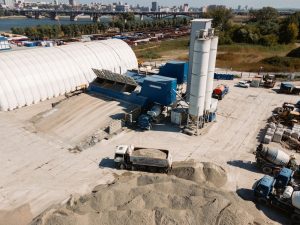
Ratholing, bridging, and buildup have two common mechanical fixes — air cannons and vibrators — and picking the wrong one can make the problem worse.

Most conveyor dust is generated at transfer points, and the fix starts with chute design, belt support, and sealing — not with a bigger dust collector.
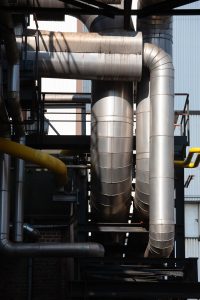
Differential pressure is the single best health indicator on a baghouse — here is how to read it, what high and low readings mean, and when to rebag.