
The Material Handler — October 2026
Rainy-season prep for California plants, an emergency splice in the pouring rain at Lebec, and 20,000 feet of belting on the shelf.
Rainy-season prep for California plants, an emergency splice in the pouring rain at Lebec, and 20,000 feet of belting on the shelf.

Deferred conveyor maintenance doesn’t save money — it converts small component costs into downtime, belt damage, and compliance exposure, and a simple criticality-based PM schedule breaks the cycle.

An October walkdown for California plants — stockpiles, belt cleaners, skirting, drainage, and silo roofs — before winter rains turn dry-season shortcuts into wet-weather shutdowns.

Water at the source or capture-and-filter — how to decide between wet suppression and dry collection point by point, especially at California plants where both water and product moisture are constrained.
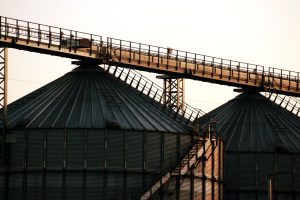
Typical discoveries from professional silo cleanings — lost capacity, ratholes, bridged outlets, foreign objects, and hidden corrosion — and what each one means for the plant.
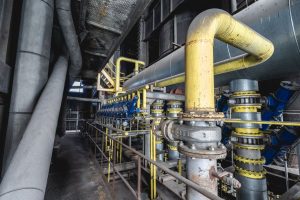
Cartridge collectors and baghouses each have a lane — here is how dust type, grain loading, temperature, and footprint should drive the choice.