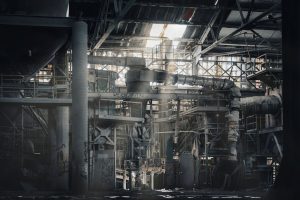
The Dust Layer That Can Shut You Down: Housekeeping Under NFPA 660
A dust layer about the thickness of a paper clip wire can flag your plant as a deflagration hazard — here is how to clean it safely and build a housekeeping program that holds up.

A dust layer about the thickness of a paper clip wire can flag your plant as a deflagration hazard — here is how to clean it safely and build a housekeeping program that holds up.
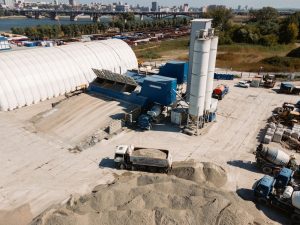
Ratholing, bridging, and buildup have two common mechanical fixes — air cannons and vibrators — and picking the wrong one can make the problem worse.
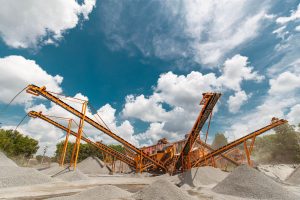
Most conveyor dust is generated at transfer points, and the fix starts with chute design, belt support, and sealing — not with a bigger dust collector.
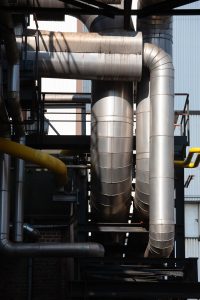
Differential pressure is the single best health indicator on a baghouse — here is how to read it, what high and low readings mean, and when to rebag.
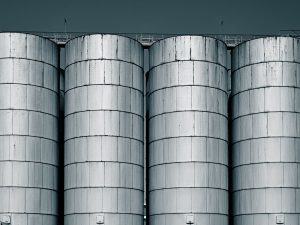
What causes material to build up inside silos and bins, the warning signs your storage is losing capacity, and why cleaning it out is a job for trained crews with no-entry equipment.
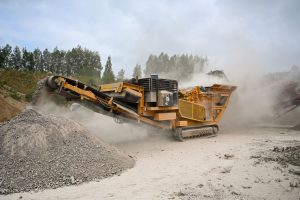
The MSHA silica rule is tied up in court, but waiting for a final answer is a bad bet — here is what aggregate and quarry operators should be doing now.