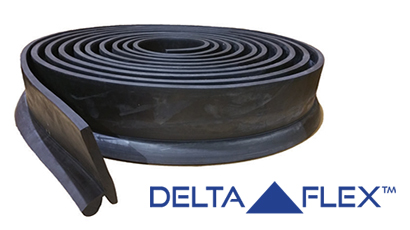
Spillage and dust at conveyor transfer points are not just housekeeping problems — they are lost product, buried idlers, fugitive dust citations, and man-hours spent shoveling. The fix starts with proper belt skirting. The most common question we get is whether to run traditional rubber skirting or upgrade to polyurethane. Here is how the two compare in real service.
What skirting actually does
Skirting seals the gap between the chute or skirtboard and the moving belt, keeping material centered in the load zone until it settles. Done right, it works together with impact beds, belt support, and dust curtains as a sealing system. Done wrong — or left to wear out — it leaks fines continuously and grooves the belt.
Rubber skirting
Strengths: low upfront cost, widely available, easy to fabricate on site, forgiving on belt covers when properly adjusted.
Weaknesses: wears faster, especially with abrasive materials; needs frequent re-adjustment as it wears; worn rubber tends to leak fines and dust even when the seal looks intact from outside.
Polyurethane skirting
Strengths: typically several times the wear life of rubber in abrasive service; holds its sealing edge as it wears, which means less dust escape between adjustments; available in dual-durometer designs with a harder body and a softer, belt-friendly sealing lip.
Weaknesses: higher upfront cost per foot; in very hot or chemically aggressive applications, material selection matters and not every urethane grade is suitable.
Which one should you run?
- Abrasive material, long runs between maintenance windows: polyurethane usually wins on total cost, because labor and downtime for re-adjustment dwarf the material price difference.
- Light duty, easy access, tight budget: rubber remains a perfectly serviceable choice if someone actually maintains it.
- Dust compliance pressure: polyurethane’s self-maintaining edge holds a seal between service visits far better than aging rubber.
Whatever you choose, mind the details
Skirting should seal with light contact on the belt — clamped down hard it grooves covers and robs horsepower. The belt must be supported flat under the skirted zone (impact beds or close-spaced idlers), or no skirting material on earth will hold a seal over a bouncing belt. And skirting clamps should allow quick adjustment, because skirting that is painful to adjust simply will not get adjusted.
We stock conveyor belt skirting and rubber sealing systems in Fontana and install throughout Southern California. Pair a skirting upgrade with the right belt cleaner and your transfer points stay clean from both directions. Need help sizing a system? Request a quote and tell us about your load zone.