|
The Material Handler · No. 2 · November 2026
|
|
November is when the calendar fills. Every plant in the state wants the same two weeks between Christmas and New Year for its shutdown work, and the crews that do silo cleaning, splicing and collector rebuilds get booked in the order the phone rings. This issue is mostly about getting in line early, and about what to put on the list once you are.
It is also budget season. If there is money that has to be spent by December 31, a planned silo cleanout or a collector rebuild is a better place for it than another pallet of spares nobody asked for.
— Franc Sunseri · The ACT Group
|
| |
| |
On the calendar
The holiday shutdown is six weeks out. The crew calendar is not.
Three things fit a short winter outage well and badly anywhere else: a full silo cleanout while the vessel can be emptied, a vulcanized splice on a belt that has been running on a mechanical fastener since summer, and a baghouse change-out with the fan off. All three need a date, not a phone call the week before. Give us the window and the vessel or belt, and we will give you a real crew date back.
While you are planning: MSHA Part 46 requires eight hours of annual refresher training inside every twelve months, and a lot of plants let that clock run down over the holidays. A shutdown week is also a good week to get it done. And cold, damp material bridges harder than dry material, so a silo that is sluggish now will be plugged in January.
|
|
| |
|
From the field
Two Rio Tinto plants, zero people inside the silo
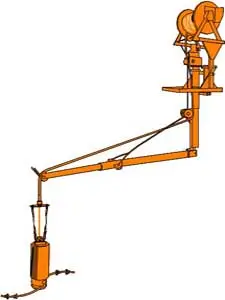
The Whip working a silo from the roof hatch — nobody inside.
Rio Tinto spends serious money every year on workplace safety, and one result is that confined-space entry is limited across many of its plants, silos included. The buildup still has to come out. A person just cannot go in after it. At both the Boron and Wilmington facilities, that is our job.
The Whip is a machine built for exactly one thing: cleaning the inside of a silo from the roof hatch. It takes bridged and caked material off the walls and cone with nobody in the vessel, which means no entry permit, no standby rescue crew and no engulfment exposure, while meeting one of the strictest safety standards in the industry. Product keeps flowing at two plants, and the most dangerous part of the job is simply not on the table.
|
| |
|
Dig in · The Stockpile
Silo Buildup & Cleaning: ratholing, bridging and why it keeps coming back
How material hangs up, what a cleanout actually involves, why nobody should be inside the vessel, and what to install while the silo is empty so you are not calling us again in March.
|
|
| |
|
On the shelf
The Flash Cannon: install it while the silo is empty
A cleanout restores capacity. An air cannon keeps it. The Flash Cannon is our own direct-blast cannon, built for high-temperature and high-buildup service, and the best time to mount one is the day the silo is clean and open. Same crew, same visit, same quote.
We also stock the parts that keep any brand of cannon firing: quick exhaust valves, safety cables, o-rings and rebuild kits, on the shelf in Fontana.
|
|
5 yr
Flash Cannon warranty
| Models |
G400, 4″ and 6″ |
| Blast force |
698–3,005 lb |
| Spares stocked |
QEVs, cables, kits |
| Fits |
Most major brands |
|
|
|
| |
| |
Toolbox talk
A silo that looks empty from the hatch can hold a bridge with a void under it. Nobody stands on material. Ever.
|
|
| |
|
Tell us the plant, the part and the problem.
|
|
|
The ACT Group · Applied Conveyor Technology, Inc. · 14644 El Molino St., Fontana, CA 92335
T: (888) 480-0680 · F: (909) 350-4982 · E: sales@groupactinc.com · groupact.com · Since 1991 · CA Lic. #700731 · NV Lic. #0072789
Want The Material Handler in your inbox each month? There is a newsletter box at the bottom of every page on groupact.com, or email us and we will add you. Past issues → |
|
|