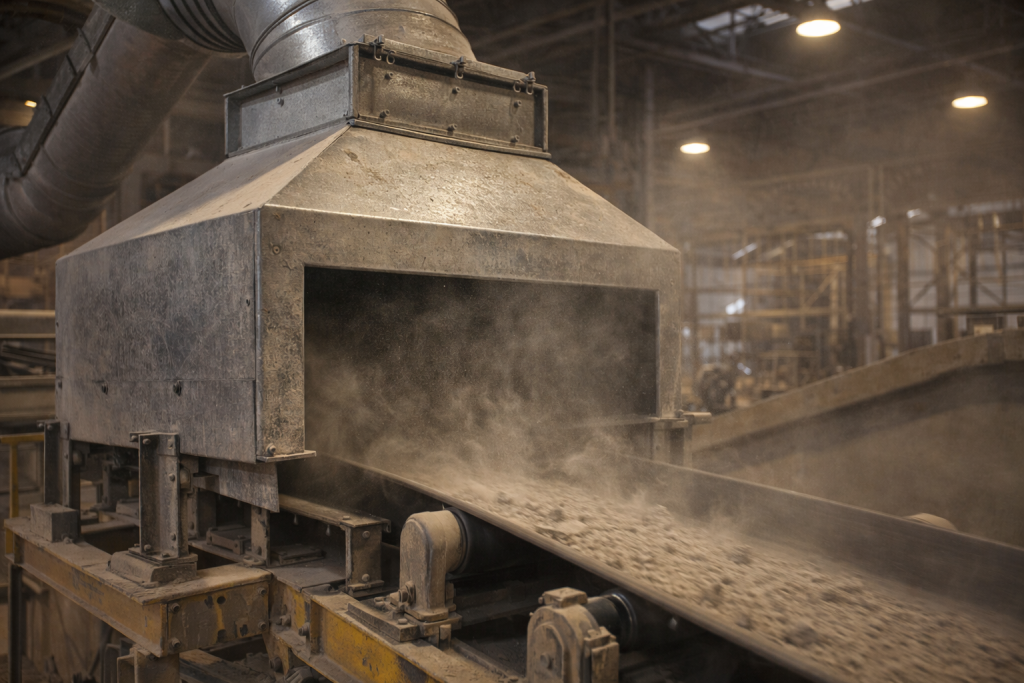
If your facility handles bulk materials like cement, aggregate, or biomass, you already know that airborne dust is more than a nuisance. Left unchecked, fugitive dust causes equipment damage, creates health hazards for workers, and puts your operation at risk of costly OSHA and SCAQMD violations. That’s where industrial ventilation comes in.
At The ACT Group, we’ve spent over 30 years designing, installing, and maintaining industrial ventilation systems across Southern California and the West Coast. In this guide, we’ll walk you through the fundamentals of industrial ventilation, how it differs from other dust control methods, and what it takes to keep your system performing at its best.
What Is Industrial Ventilation?
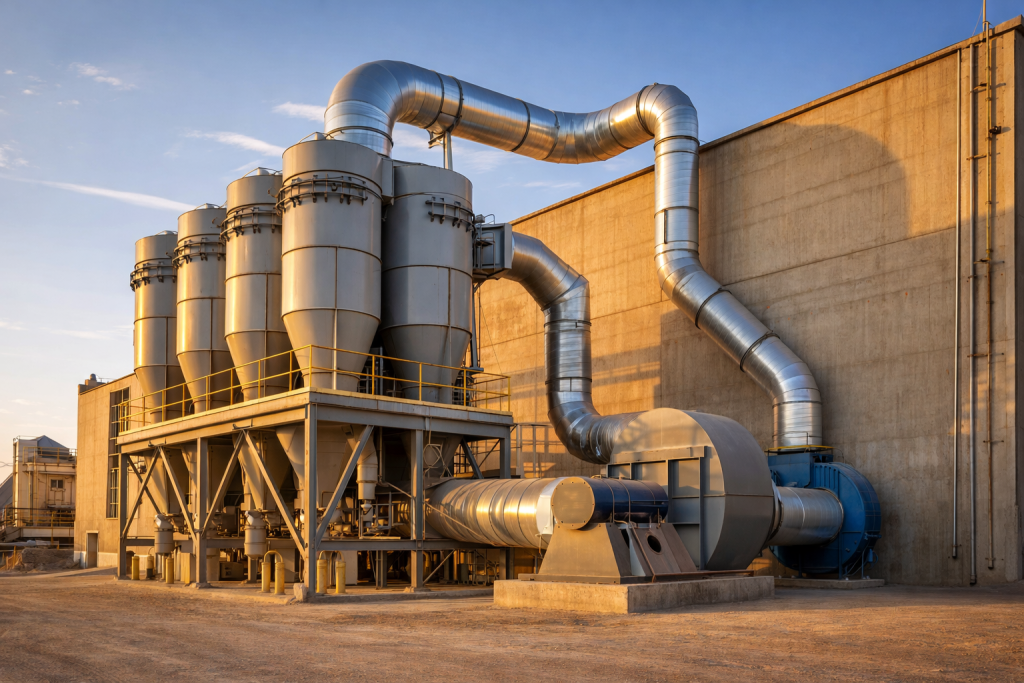
Industrial ventilation is the process of controlling airborne contaminants—dust, fumes, mist, and other particulates—by capturing them at or near the source and moving them through a duct system to a collection device like a baghouse dust collector or bin vent. The goal is to maintain safe indoor air quality, protect equipment from buildup, and stay compliant with environmental regulations.
There are two primary types of industrial ventilation:
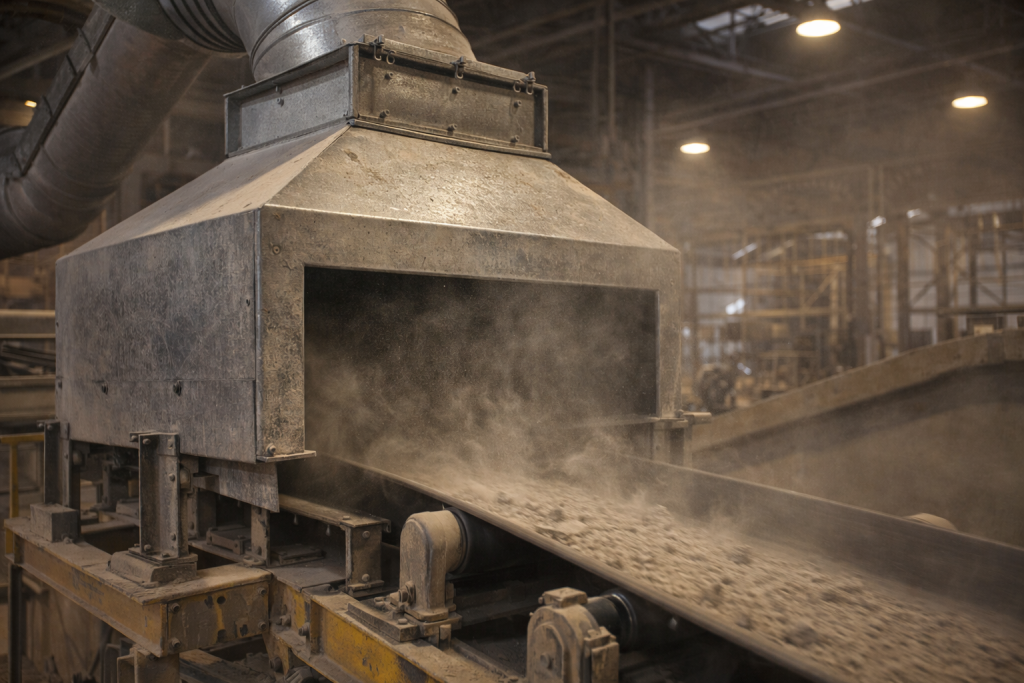
Local Exhaust Ventilation (LEV) captures contaminants directly at the source—think hoods placed over transfer points, grinding stations, or conveyor belt discharge areas. This is the most effective method for controlling dust because it prevents particles from ever reaching the general workspace.
General (Dilution) Ventilation introduces fresh air into the facility to dilute airborne contaminants. While useful as a supplemental strategy, it’s far less efficient than LEV for heavy industrial environments and is not typically sufficient on its own for operations generating significant dust.
Industrial Ventilation vs. Dust Suppression: What’s the Difference?
These two approaches are often confused, but they solve the dust problem in fundamentally different ways.
Dust collection (industrial ventilation) physically captures and removes airborne particles from the air using negative pressure, ducting, and filtration equipment. The collected material is contained and disposed of properly. This is the standard for indoor operations and enclosed process areas where you need clean, breathable air.
Dust suppression prevents dust from becoming airborne in the first place, usually by applying water, chemical agents, or foam at the source. It’s commonly used in outdoor applications like haul roads, stockpiles, and open transfer points.
Most facilities benefit from a combination of both. For example, a cement plant might use chemical road treatment for its truck routes while relying on a baghouse system to control dust at enclosed conveyor transfers and processing areas. Our engineering team can evaluate your specific operation and recommend the right mix of solutions.
Key Components of an Industrial Ventilation System
Understanding the major components of your system helps you maintain it properly and communicate effectively with your service provider when something goes wrong.
Capture Hoods and Enclosures
These are the entry points of your ventilation system—hoods, slots, booths, or enclosures placed at dust-generating processes. Proper hood design and positioning is critical. A hood that’s too far from the source or undersized for the airflow will fail to capture dust effectively, no matter how powerful the rest of the system is.
Ductwork
Ducts transport captured air and particulates from the hoods to the collector. Duct runs need to maintain the correct transport velocity—too slow and material settles inside the duct, causing blockages; too fast and you waste energy and accelerate wear. Proper duct sizing, layout, and the use of blast gates for balancing are all essential to system performance.
Dust Collectors (Baghouses and Bin Vents)
The collector is where the heavy lifting happens. Baghouse dust collectors use fabric filter bags to separate particulates from the air stream. Bin vents handle displaced air during silo filling operations. Both require regular filter replacement and inspection to maintain efficiency and stay within emissions limits.
Fans and Blowers
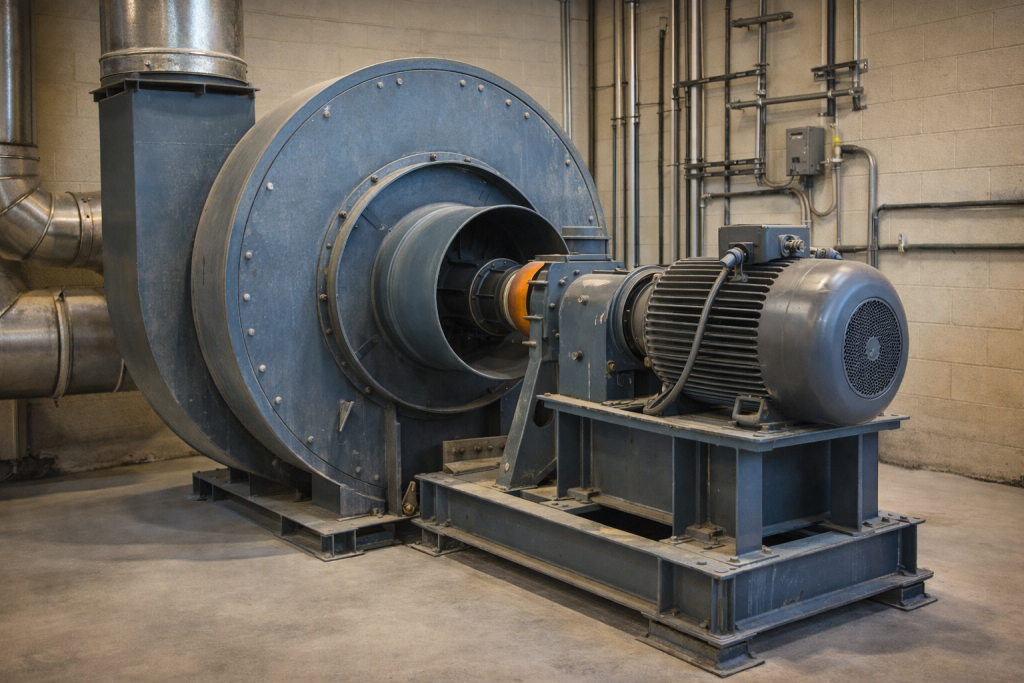
The fan creates the negative pressure that pulls air through the entire system. Fan selection depends on the volume of air being moved, the static pressure the system needs to overcome, and the characteristics of the dust being handled. An undersized or worn fan is one of the most common causes of poor system performance.
Signs Your Industrial Ventilation System Needs Attention
Ventilation systems don’t usually fail all at once. They degrade slowly, and it’s easy to normalize poor performance until you’re staring at a compliance violation or an unexpected shutdown. Here are the warning signs to watch for:
Visible dust escaping from hoods or enclosures — This is the most obvious indicator. If you can see dust leaking from a transfer point or hood, your system isn’t capturing effectively. The cause could be a damaged hood, incorrect airflow, blocked ducts, or worn filters.
Increased pressure drop across the collector — A rising differential pressure reading on your baghouse means the filters are becoming clogged or the cleaning system isn’t functioning properly. Ignoring this leads to reduced airflow, higher energy costs, and eventually system failure.
Unusual noise or vibration from the fan — This can indicate bearing wear, belt slippage, material buildup on the impeller, or structural issues. Fan problems left unaddressed can result in catastrophic failure and extended downtime.
Material buildup in ducts — If transport velocity has dropped below the minimum, dust will settle in the duct runs. This reduces system capacity and can create a fire hazard, particularly with combustible dusts.
Failed emissions tests or compliance notices — If your facility has received a notice from SCAQMD or another regulatory agency, that’s a clear signal that your ventilation system is not performing to spec.
Noticing any of these issues? Don’t wait for a shutdown or a compliance violation. The ACT Group provides 24/7 emergency response for dust collection equipment across California, Nevada, Oregon, and Washington. Contact us now to schedule an inspection or get immediate support.
Maintaining Your Industrial Ventilation System
A well-maintained ventilation system runs more efficiently, lasts longer, and keeps you on the right side of regulations. Here’s what a solid maintenance program should include:
Regular filter inspections and replacement — Filters are consumable items. Depending on your dust load and application, filter bags may need replacement anywhere from annually to every few years. Waiting until filters fail can mean unplanned downtime and emissions exceedances. We stock a range of filter types for fast turnaround.
Ductwork inspection and cleaning — Check for leaks, corrosion, and material accumulation. Even small leaks in duct joints reduce capture efficiency and waste energy.
Fan and motor servicing — Belt tension, bearing lubrication, impeller condition, and motor performance should all be part of routine maintenance. A fan running at 90% capacity might not seem like a problem until it’s the difference between capturing dust and failing an emissions test.
System balancing — Over time, as processes change or equipment is added, your ventilation system can fall out of balance. An airflow assessment ensures each hood is receiving the velocity it needs to capture effectively.
Compressed air system checks (for pulse-jet baghouses) — If your baghouse uses pulse-jet cleaning, the compressed air supply, solenoid valves, and timer boards all need regular inspection. A malfunctioning cleaning cycle leads to premature filter blinding and reduced airflow.
If managing all of this in-house is a stretch, our ACTAssure™ Maintenance Program provides scheduled, proactive service so you never have to worry about falling behind on maintenance.
Compliance: OSHA, SCAQMD, and Why It Matters
Industrial ventilation isn’t optional—it’s a regulatory requirement for most operations that generate airborne particulates. In Southern California, the South Coast Air Quality Management District (SCAQMD) enforces some of the strictest air quality rules in the country. Nationally, OSHA sets permissible exposure limits (PELs) for a wide range of dust types to protect worker health.
Non-compliance can mean fines, operational shutdowns, and increased scrutiny from regulators. More importantly, inadequate ventilation puts your workers at real risk for respiratory illness and other health problems.
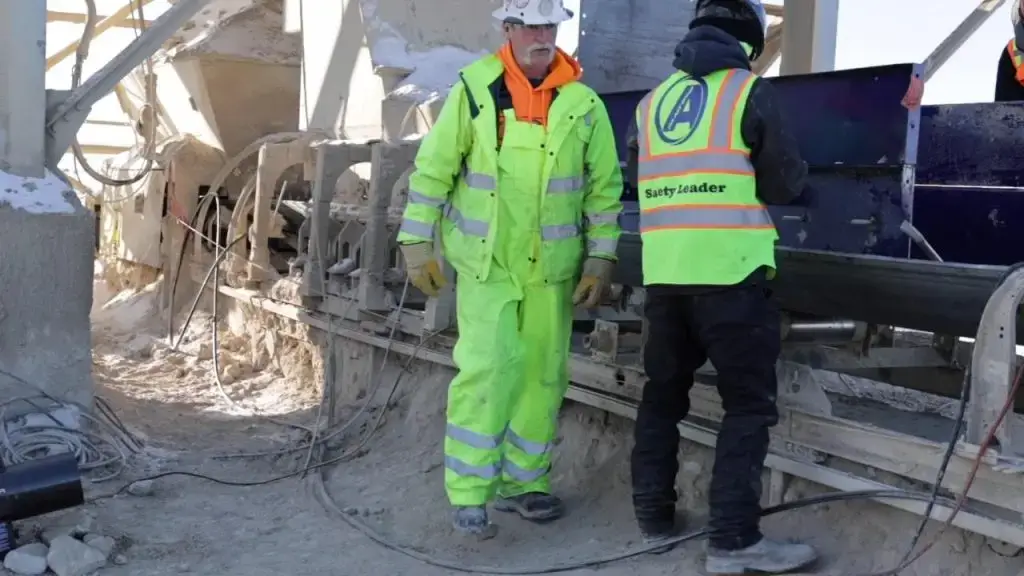
All of our field technicians are MSHA- and OSHA-trained, and our engineering team designs systems that meet or exceed regulatory requirements. Whether you need a new system engineered from scratch or need to bring an aging system back into compliance, we’ve been helping facilities navigate these challenges for over three decades.
When to Call in the Experts
Some ventilation work can be handled by in-house maintenance crews. But there are situations where bringing in a specialist makes all the difference:
New system design or major modifications — Getting the engineering right from the start saves enormous cost and headaches down the road. Our team has 75+ years of combined experience in industrial ventilation design.
Persistent performance issues — If you’ve tried troubleshooting and your system still isn’t capturing properly, the root cause might be a design issue, not just a maintenance issue.
Compliance emergencies — When you’ve received a violation notice, you need fast, competent support to identify and fix the problem before penalties escalate.
Outage and turnaround support — Planned shutdowns are the ideal time to perform major ventilation repairs and upgrades. We provide dedicated outage support with the manpower and equipment to get the work done on schedule.
Ready to get your ventilation system evaluated? Whether it’s a routine inspection, emergency repair, or a full system design, The ACT Group has the expertise and the field presence to help. Contact us today to speak with one of our team members, or call us directly for immediate assistance.
Frequently Asked Questions About Industrial Ventilation
How often should baghouse filters be replaced?
It depends on the application, dust type, and operating hours. In heavy-duty operations like cement plants, filter bags may need replacement every 1–3 years. Regular differential pressure monitoring is the best way to gauge filter condition. If your pressure drop is consistently climbing, it’s time for a change.
What is the difference between a baghouse and a bin vent?
A baghouse is a large centralized dust collection system that handles high volumes of air from multiple pickup points. A bin vent is a smaller, standalone unit mounted on top of a silo or hopper that filters displaced air during filling operations. Both use fabric filters, but they serve different purposes within a ventilation system.
Can you retrofit an existing ventilation system instead of replacing it?
In most cases, yes. Retrofitting—upgrading components like hoods, ductwork, fans, or collectors within an existing system—is often more cost-effective than a full replacement. Our engineering team can assess your current system and recommend targeted upgrades that improve performance without starting from scratch.
Do you service areas outside of Southern California?
Yes. While our primary operations are based in Southern California, we dispatch field crews across California, Nevada, Oregon, and Washington for both project work and emergency response.